
- Tawkify Review: My Take as a Former Dating App User - October 14, 2026
- The Best Matchmaking Services for Working Professionals - September 28, 2026
- Where to Order Custom Shirts for a Bachelor Party: A Guide for Every Group and Timeline - September 10, 2026
So, apparently I’m dating again.
I turned 40 this summer, which makes being single feel a little more daunting than it did at 30. Not desperate, exactly, although my parents may have a different view. They have started asking increasingly specific questions about whether I’m “seeing anyone”, delivered with the casual subtlety of people checking whether a delayed flight has finally left the runway.
The truth is I would like to meet someone. I’m perfectly capable of being happy on my own, and I’m not interested in forcing it for the sake of ticking some imaginary life box. But I’d like to fall in love again. Find my person, build something with someone. All that horribly sincere stuff that becomes harder to dismiss with a joke once you hit 40.
I’m a millennial, so dating apps have been there for most of my adult dating life. Tinder arrived when I was still young enough to think swiping strangers on a phone was exciting rather than thumb-numbing admin. Bumble, Hinge and a small army of variations followed.
You know the drill. Find a handful of snaps in which you look attractive but not too try-hard. Write a hastily assembled bio that mentions hiking, dogs, bouldering and a love of tacos. Try to appear interesting without giving the impression that you have spent your entire evening trying to appear interesting.
Then comes the bit that still feels slightly icky. With a few swipes of your thumb, you become Caesar of the dating world, casually deciding the romantic fate of another human being from six photos and 150 words. Too many group shots. Left. Duck face. Left. Nice smile, likes Italy. Maybe.
It works, obviously. People meet on apps, fall in love, get married and have children. I’ve met people through them myself. But when you’re looking for something serious, there is something odd about beginning your search for love through a system built around making snap judgments about a lot of people.
Which made me wonder what the opposite might feel like. What if, instead of being given more people to choose from, I let someone else do some of the choosing?
That was what led me to professional matchmaking.

Dating Apps vs Professional Matchmaking at a Glance
| Dating apps | Professional matchmaking: Tawkify | |
| Who does the searching? | You browse profiles and choose who to like or message | A matchmaker gets to know you, searches on your behalf, and chooses introductions |
| Choice and control | Lots of choice and complete control over who you pursue | Fewer introductions, with more of the choosing handed to the matchmaker |
| How much work is involved? | You handle the searching, messaging, screening, and arranging dates | Much of the search and dating admin is handled for you |
| Do you see photos first? | Yes | No, physical preferences are considered, but introductions are blind |
| Vetting | Verification and safety tools vary by app | Every proposed match receives criminal-record and live-video screening |
| Who plans the date? | You | Tawkify |
| Cost | Free to use, with paid subscriptions generally costing tens of dollars | Full-service matchmaking starts at $4,900 |
| Best if you want… | Low cost, speed, lots of options and control | Human judgement, more screening and less of the dating workload |
More Choice, or Better Choices?
Dating apps give you an extraordinary amount of choice. Open Tinder, Bumble, or Hinge and you can be looking at potential dates within minutes. You can be ruthlessly selective, or take the trawler approach and swipe right on almost everyone. Either way, the searching is yours to do.
That convenience is hard to argue with. It can also do slightly strange things to your brain. Give people enough options, and we start assuming there must always be a better one coming: funnier, hotter, taller, closer, less into CrossFit, better hair, cuter dog.
I’m not pretending to be above this. Give me enough profiles, and I become just as irrational. Suddenly I have strong feelings about yoga-wear, sunglasses, and whether a photo of someone standing on Machu Picchu tells me anything remotely useful about our compatibility.
If two people “like” each other, you can start chatting immediately. In theory, great. In practice, you may know almost nothing about each other beyond a few photos and some profile copy. I’ve had plenty of app conversations that begin with promise and rapidly descend into one-word answers. With another card always waiting underneath, it is very easy to move on.
Professional matchmaking works almost the other way around. Instead of handing you a large stack of people to sort through, a matchmaker does much of that work first. Services such as Tawkify, It’s Just Lunch, and Three Day Rule all offer versions of this: a human matchmaker gets to know what you’re looking for, searches on your behalf, and suggests people they think are worth meeting.
That means giving up some immediacy and control in exchange for curation. With an app, the question is mostly: who do I like the look of? With matchmaking: who might actually be good for me?
Those two things are not always the same. Apps give you more choice and control. Matchmaking deliberately narrows the field in the hope that the choices left are more meaningful.
That distinction probably matters more as you get older. In your twenties, an endless supply of people to meet can feel like part of the adventure. By 40, I’m less interested in collecting possibilities for the sake of it, and wasting three months discovering that somebody was never really looking for the same thing has lost some of its charm.
What Does a Matchmaker Actually Need to Know About You?
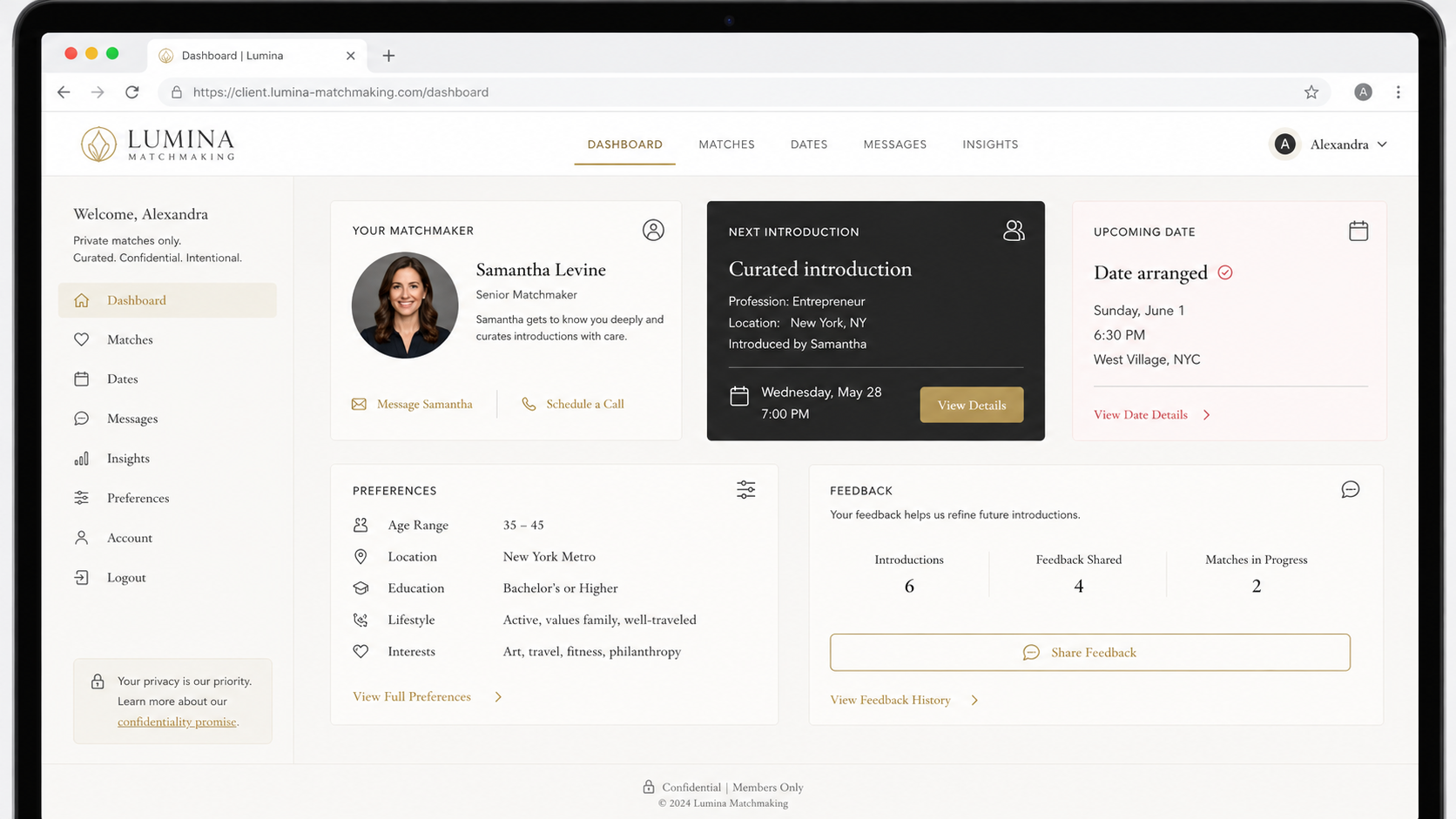
A dating profile is mostly about how you present yourself to other people. You choose the photos, write the bio, and decide which bits of your life make the cut and which ones quietly disappear from view.
Professional matchmaking needs something slightly different. If somebody else is going to search on your behalf, they need to understand not just what you look like on a good day, but how you actually live and what matters to you.
That means getting into relationship goals, lifestyle, values, physical preferences, location, and dating history. With matchmaking, those are all part of the process. But the interesting thing isn’t simply that there are more questions. After all, apps collect plenty of information too.
The difference is that a person can interpret the answers. They can follow up, pick up on something you said earlier, or work out whether a preference is genuinely important or just something you have become used to selecting from a menu.
Take, for example, a woman who says she will only date men six feet tall or above. A dating app filter will do exactly what it is told: six feet, yes; five foot eleven and a half, gone.
A matchmaker can ask whether that half-inch is really worth ruling somebody out over.
That doesn’t mean ignoring what you want; you still make the final call. But a human can distinguish between a real dealbreaker and a preference that has become a little too rigid. A filter gives you what you ask for. A matchmaker can make you wonder whether you meant it quite that literally.
Where Does All the Time Actually Go?
One of the biggest advantages of dating apps is how easy they are to start. You can download one, build a profile, and be looking at potential matches in the time it takes to order a takeaway.
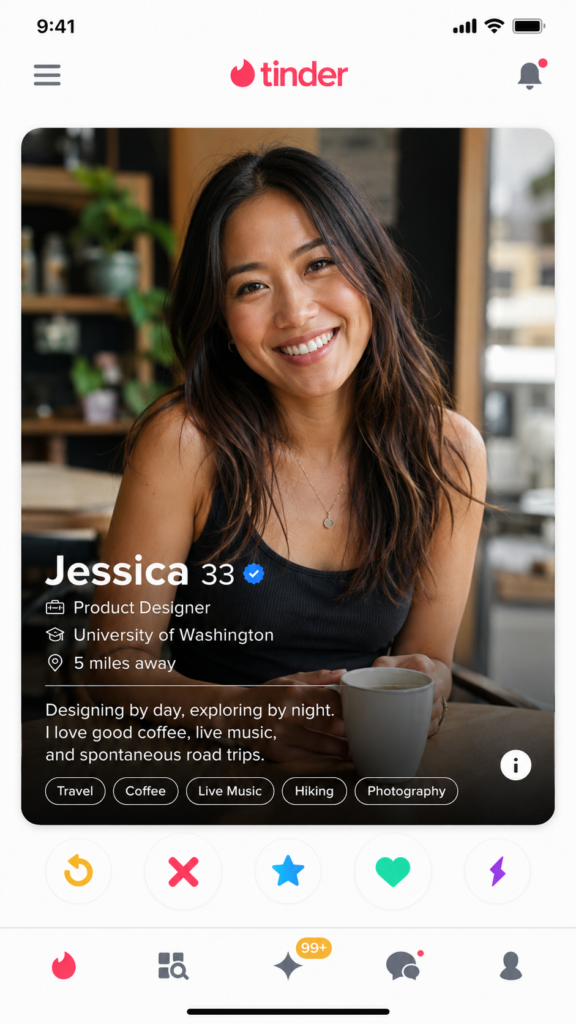
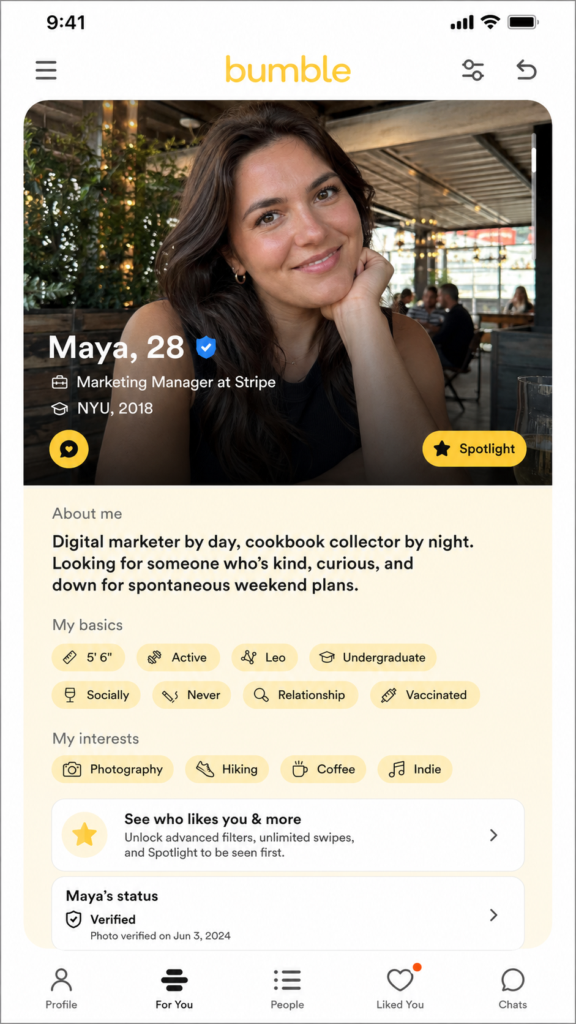
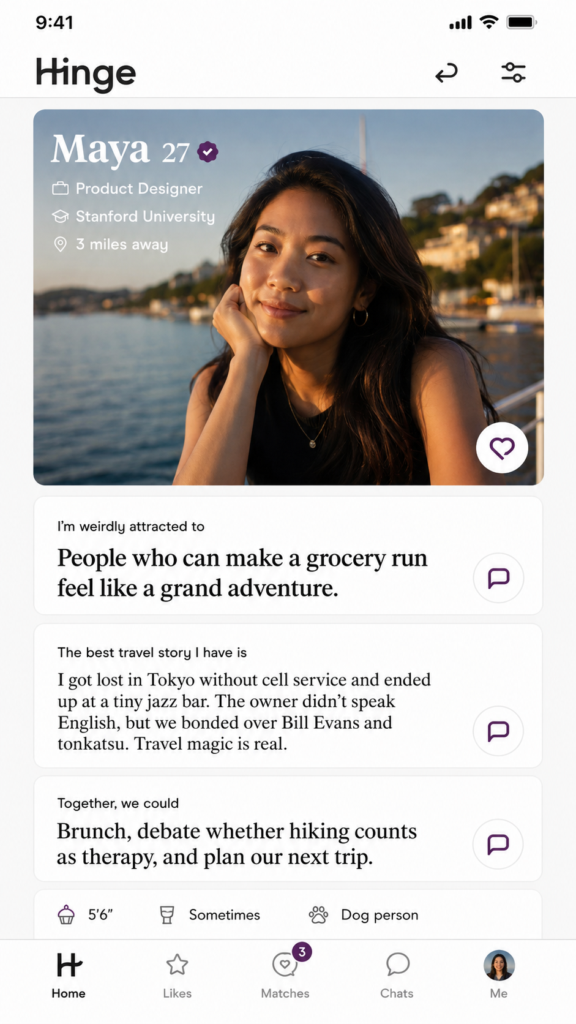
On an app, though, you are doing the searching yourself. You decide who to “like”, keep track of matches, start conversations, work out who seems worth meeting, and eventually organise the date. None of those things is especially difficult on its own, but together they can take up a surprising amount of time, especially if you are dating seriously rather than casually.
Professional matchmaking shifts the workload around. The upfront process is more involved because somebody needs to understand what you are looking for before they can search on your behalf. With Tawkify, that starts with a 60-minute onboarding call.
After that, much of the ongoing search and admin can be handed over to your matchmaker. Tawkify says clients typically receive one match per month, with the matchmaker searching and narrowing the field rather than leaving you with a constant stream of profiles to browse.
Apps are easier to enter and give you instant access to a huge pool of people. Matchmaking asks for more time upfront, but potentially less from you once the search begins.
Who Are You Actually Meeting?
This is where the comparison gets a little more serious.
With dating apps, you are usually making your own judgement about the person behind the profile. The major platforms now offer far more safety tools than they used to. Tinder, for example, has Photo Verification, Face Check in some markets, Share My Date, blocking, and reporting. Bumble offers photo and ID verification, in-app voice and video calls, Share Date, and tools designed to spot fake or scam accounts.
Those are useful safeguards, but they are not the same thing as somebody independently vetting every potential date before you meet them. Tinder itself is clear that verification does not guarantee somebody’s identity, honesty, or safety.
There is still a leap of faith involved. Are the photos recent? Will they actually look like them in real life? Is the person behind the profile really who they say they are? Catfishing is the extreme version, but there is a whole spectrum between outright deception and somebody simply using the most flattering photographs ever taken of them.
Professional matchmaking can put another layer between you and that uncertainty. Exactly what that involves depends on the company, so it is worth checking what “vetting” actually means.
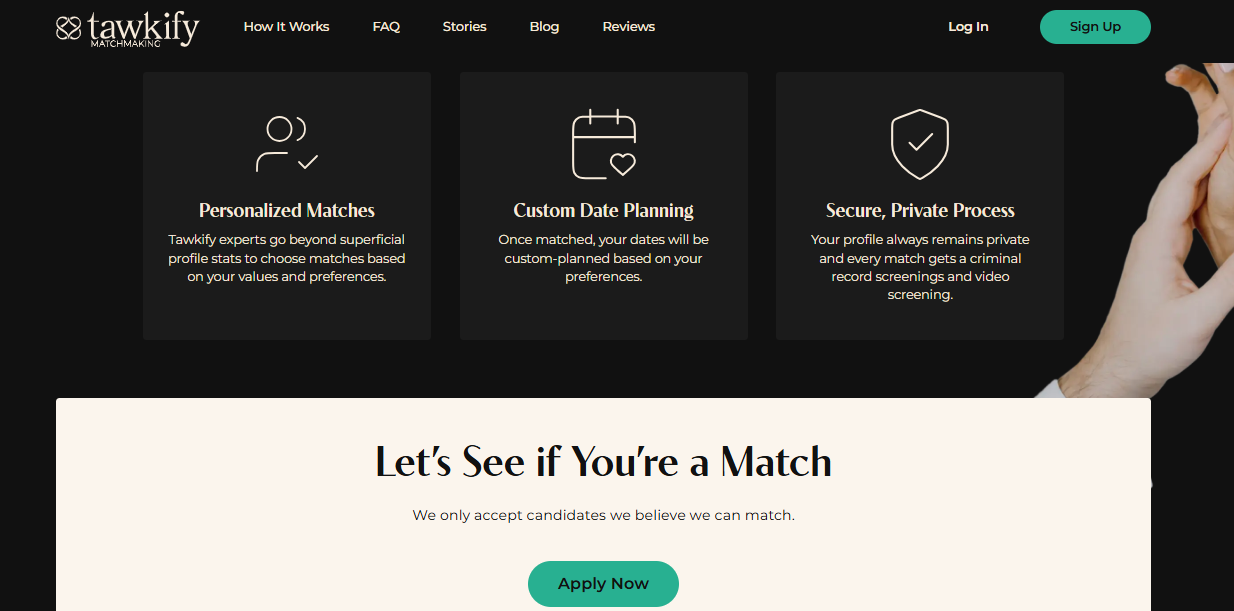
And the differences can be significant. Tawkify says every proposed match goes through criminal-record and live-video screening before an introduction is arranged. It’s Just Lunch, by contrast, explicitly says it does not conduct background checks.
Privacy can work differently too. Dating apps depend on making some version of your profile visible to other users, albeit with varying privacy controls. Private matchmaking services can operate much more discreetly: both Tawkify and It’s Just Lunch, for example, keep clients out of a publicly browsable dating feed.
Which means you are not sitting in a card stack waiting to be judged by somebody eating cereal at 11 pm.
None of this makes professional matchmaking risk-free. A background check cannot tell you whether somebody is kind, emotionally available, or going to behave well on a date. Screening is an extra safeguard, not a guarantee.
Would You Go on a Blind Date Without Seeing Their Photo?

This might be the part of professional matchmaking I found hardest to get my head around.
On a dating app, the photograph comes first. Before you know what someone does for a living, how they spend their weekends or whether they can hold a conversation, you have already made some kind of judgement about whether you fancy them.
Professional matchmaking can ask you to give up some of that control. Tawkify, for example, uses blind introductions: physical preferences are considered when a matchmaker searches, and you are given a description of the person, but photographs are not exchanged before the date.
Physical attraction matters, and removing the photograph does not make that disappear. What it does remove is your ability to decide before you have actually met.
There is something quite liberating about that, even if it is also slightly terrifying. A photograph is useful information, but it is not the same thing as seeing somebody move, hearing their voice, or watching them laugh.
Apps let you make the visual decision first. Blind matchmaking asks you to postpone it until there is an actual human being sitting in front of you.
A Match Is Not the Same Thing as a Date
One thing dating apps have taught me is that matching with someone and actually meeting them are two very different achievements.
You can both swipe right, exchange a few messages, and establish that neither of you appears to be a murderer, but there is still a surprising amount of road between that and sitting opposite each other with a drink. Somebody has to suggest a meet-up, then come the diaries, the cancelled Wednesday, and the “sorry, completely manic at work” message.
Professional matchmaking can remove more of that middle stage. Tawkify handles the scheduling, venue, and reservation once an introduction is agreed, while It’s Just Lunch similarly arranges the details of the first date, including the restaurant reservation.
There is also a feedback loop afterwards. Dating apps mostly leave you to conduct your own post-date analysis, perhaps with the assistance of three friends and several screenshots. Both Tawkify and It’s Just Lunch use feedback after dates to help refine future introductions.
If both people want to see each other again, they can exchange contact details and take it from there.
None of that means the date will be good. A reservation, a matchmaker, and a nicely chosen wine bar cannot manufacture chemistry. But there is a real difference between matching with someone and having the process designed to get the two of you into the same room.
And Then There’s the Price…
There is, of course, one fairly enormous difference I have managed to avoid until now: money.
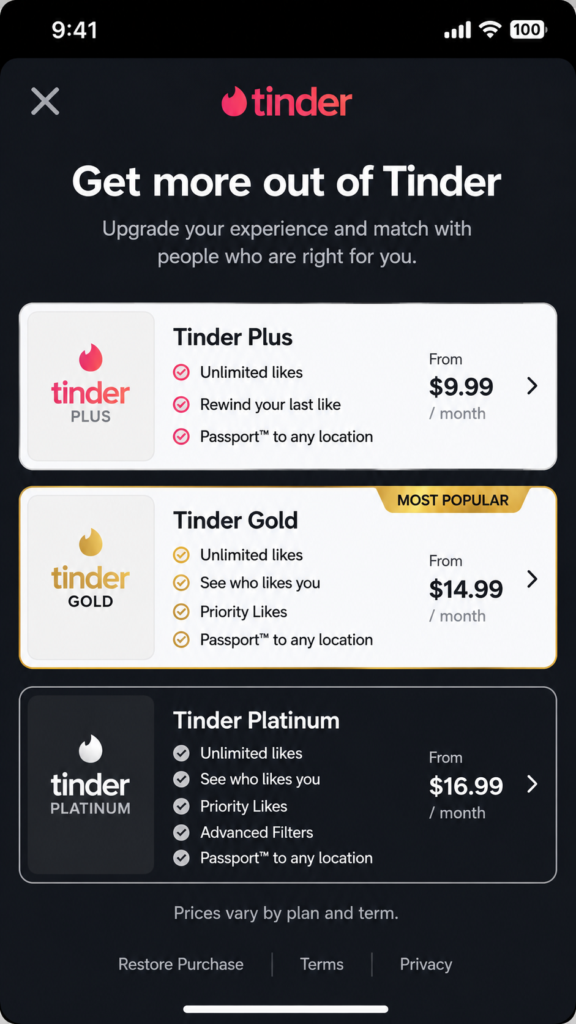
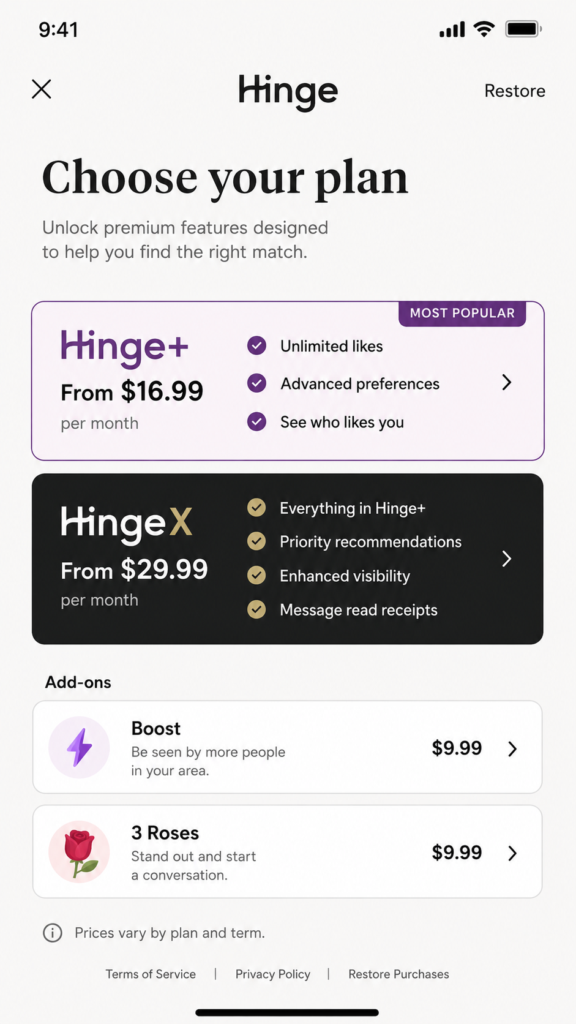
Tinder, Bumble and Hinge can all be used without paying anything. You can build a profile, meet people and conceivably find the love of your life without handing over a penny. But they are freemium services, and “free” does not necessarily mean you are getting the same experience as somebody paying for the top tier.
Paid subscriptions can buy things like unlimited “likes”, more advanced filters, the ability to see who has already “liked” you and, on some platforms, greater visibility. So yes, you can date for free, but the business model is not exactly built around making you forget that premium exists.
The prices themselves can be surprisingly slippery, varying by platform, subscription length, and account. Current US App Store listings put paid subscriptions broadly in the tens of dollars, with Tinder Plus at $9.99, Bumble Premium reaching $32.99, and Hinge+ listed at $16.99 to $19.99.
Professional matchmaking operates in a completely different financial universe. Tawkify says its full-service client packages currently start at $4,900.
That is not an upgrade from Spotify Free to Spotify Premium. It is a serious purchase.
On price alone, there is no contest: dating apps are dramatically cheaper. The question is what the extra money is buying.
In simple terms, it is human time: someone to understand what you are looking for, search and screen potential matches, organise introductions, and learn from what happens afterwards.
For plenty of people, several thousand dollars will end the conversation immediately. Dating apps offer extraordinary access for free or for the price of a relatively modest subscription.
But if you have the money and have reached the point where swiping, screening, messaging and organising dates feels less like romance and more like unpaid admin, paying to outsource a substantial chunk of the search might make more sense.
So Which One Actually Makes Sense for You?

There isn’t a universal winner here. The better option depends on what you value most.
If you want low cost, immediacy, and complete control over who you browse, match with, and message, dating apps are hard to beat.
Professional matchmaking asks something quite different of you. You give up some choice, some immediacy, and quite a lot more money, but somebody else takes on much more of the search.
For some people, the price alone will make apps the obvious choice. For others, going on a blind date without seeing a photograph first will be a non-starter. And if you genuinely enjoy browsing profiles and chatting to matches, paying somebody to take that away from you would be rather missing the point.
But if you are serious about finding a long-term relationship, tired of managing the whole process yourself, and in a position to pay for more support, I can see why professional matchmaking would be appealing.
I began this wondering why anyone would voluntarily hand over some of the choosing. But after years of swiping, filtering, and making snap decisions about strangers from a screen, giving up a little control in the hope of wasting less time on the wrong people no longer seems like quite such a strange idea.