
- Best Jewelry Stores for Men’s Wedding Bands - May 5, 2026
- How to Measure Ring Size at Home (Without Guessing) - March 19, 2026
- Best Places to Buy Loose Diamonds Online - February 16, 2026
You finally decided to tie the knot, and you came across lab-grown diamonds, but you have no idea what they are, whether they are actual diamonds or not, why they are even cheap, or if it is something you can really trust purchasing. While the availability of information has increased, so has the confusion. So let’s break down what lab-grown diamonds are, what actually affects their quality and price, and which retailers to trust. By the end of this, you will be able to make a confident, informed decision.
What Is a Lab-Grown Diamond?
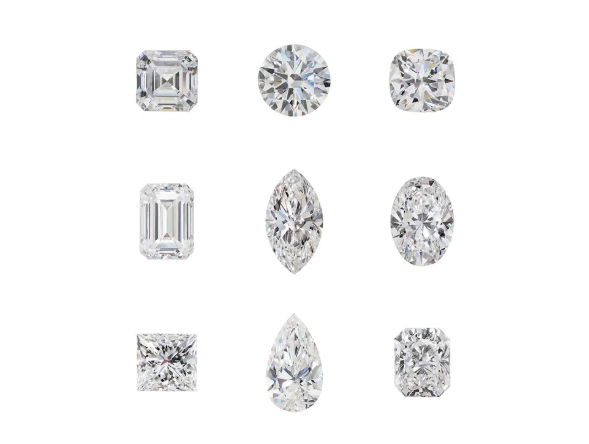
Let’s start by answering the most important question: Is a lab-grown diamond a real diamond? The answer to that is a resounding yes. It has the same chemical composition, crystal structure, and physical properties as a natural diamond. The only difference between the two is the source.
Natural diamonds are formed deep underground over millions of years, where heat and pressure transform carbon into diamonds, while lab-grown diamonds are created in a controlled environment using extremely advanced techniques that replicate natural diamond formation. According to the Gemological Institute of America (GIA), lab-grown diamonds are visually and chemically identical to natural diamonds, confirming that the only difference is the origin, not their substance.
Why Buyers Consider Lab-Grown Diamonds
First, the lower cost per carat compared to a natural diamond.
Secondly, the flexibility in size and specifications, so with the same budget, you can get a bigger and more custom diamond.
And finally, knowing where the diamond came from. For example, three thousand dollars might get you a 0.7 carat natural diamond, while the same budget could get you a 1.5 carat lab-grown diamond with similar cut, color, and clarity grades. And you do not have to worry about the quality because the price difference comes from production scale, not clarity.
Lab-grown diamonds can be created in weeks, allowing for a greater supply without the mining, extraction, and distribution costs.
The Core Factors That Affect Quality and Price
Whether a diamond is lab-grown or natural, the same fundamental factors determine its appearance and cost. These are often referred to as the “4 Cs,” along with certification and setting.
Cut: The Most Important Factor
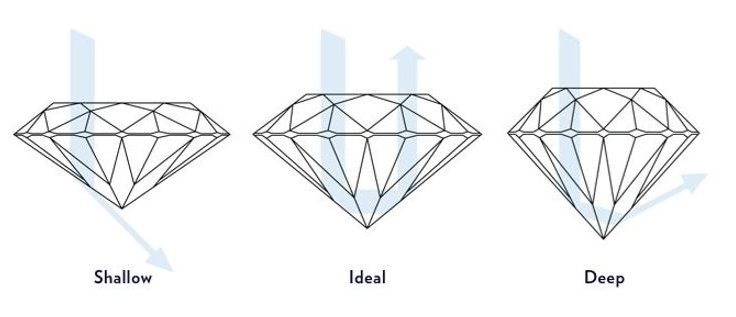
If you don’t know, a cut is how a diamond has been shaped and how its angles reflect light. A diamond with excellent cut quality will appear brighter than a larger diamond with a poor cut. Always prioritize excellent or ideal cut grades when comparing diamonds because cut has the greatest impact on how a diamond looks.
Carat: Understanding Size vs Appearance
Carat is simply the unit used to measure a diamond’s weight, which often affects its size. As a general rule, lab-grown diamonds cost less per carat than natural diamonds. That is why some couples prefer lab-grown diamonds, as it allows them to buy larger stones without increasing their budget. But bear in mind that two diamonds with the same carat weight can look different depending on the cut and proportions.
Color: Finding the Right Balance
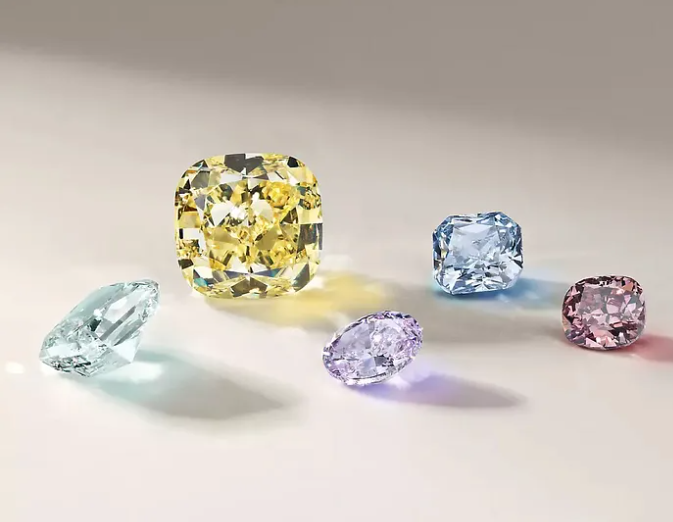
Color refers to how white or tinted a diamond looks. Like natural diamonds, lab-grown diamonds also have colors ranging from D (colorless) to Z (noticeable color). Many couples choose diamonds in the G to I range because it offers a strong balance between appearance and value. Settings also play a role. For example, when mounted in yellow or rose gold, the difference between high and mid-range color grades is often subtle.
Clarity: What You Can Actually See
Clarity means how clean a diamond is on the inside. Most tiny marks, called inclusions, are so small you cannot see them without a magnifying glass. When a diamond is eye-clean, meaning the marks are not visible to the naked eye, higher clarity rarely makes it look better. That is why most couples choose VS2 clarity. This is important because it helps you avoid paying more for something you cannot see.
Certification: Essential for Comparison
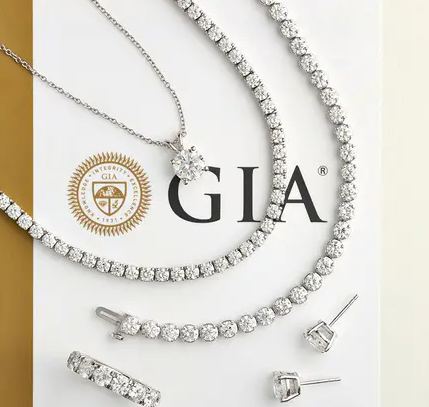
Certification is one of the most important things to look for when buying a diamond, especially online. IGI (International Gemological Institute) is the most commonly used and trusted by most retailers like Blue Nile for lab-grown diamonds. GIA (Gemological Institute of America) also certifies lab-grown diamonds now, although their reports are not available at all retailers. Both are reliable and let you verify the specs, understand price differences, and shop without guesswork. Always avoid any diamond that does not come with a certification, even if you trust the retailer.
Setting: The Final Presentation
The setting matters way more than most people realize. Everyone obsesses over the diamond, but the setting is what you’ll actually see and interact with every single day.
You’ve got a few main options.
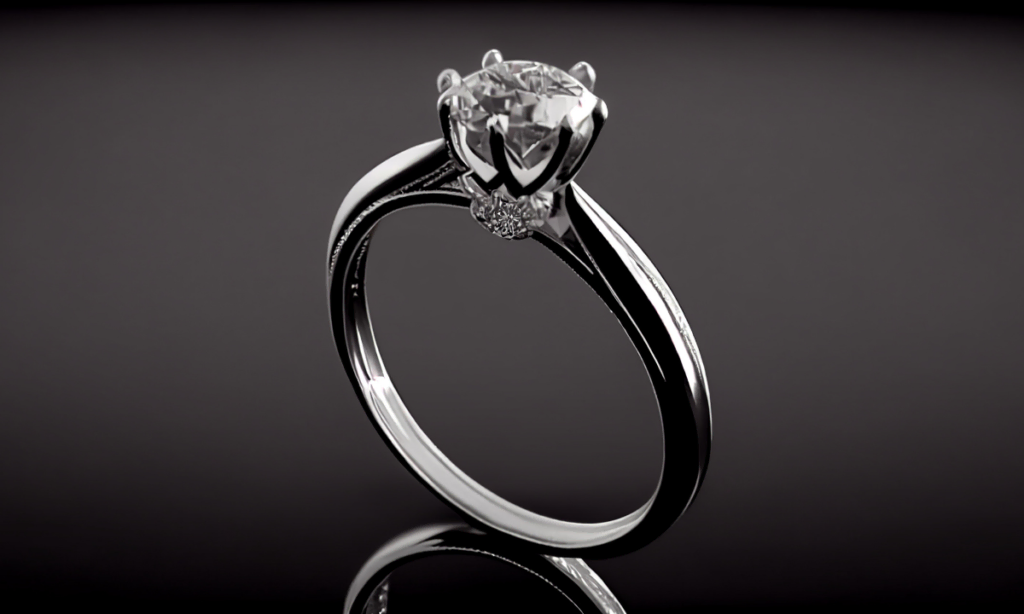
- Solitaire settings are the classic choice, just the stone, nothing competing for attention.
- Halo settings put a ring of smaller diamonds around the center stone, which makes it look bigger and adds extra sparkle.
- pavé, where tiny diamonds run along the band for continuous shine.
Then there’s the metal itself. Platinum is the toughest option but costs more. White gold gives you a similar look for less money. Yellow or rose gold can actually help if your diamond has a slight tint – the warm metal color makes it less obvious.
Why Buying From Established Online Retailers Matters
Where you buy your lab-grown diamond online actually matters a lot. One name that keeps coming up in forums and reviews is Blue Nile, and for good reason. They have thousands of lab-grown diamonds, everything is certified, and their search filters are actually pretty good because you can narrow down by cut quality, size, color, clarity, or whatever matters to you. They also offer 30-day returns and have a buyback program, which is nice if your situation changes down the road.
Red Flags to Avoid When Shopping Online

- Be aware, if the retailer is not showing you IGI or GIA certification, walk away.
- If prices are way below everyone else, walk away, because most likely the diamond has issues they’re not telling you about.
- If it’s stock photos, walk away. They need actual photos of the diamond you’re buying.
- And finally, if they’re using pressure tactics like “this price is only good today,” walk away.
If you want to avoid all that nonsense, Blue Nile and James Allen are among the safest bets. They show real photos and videos of each diamond, everything comes with proper certification, their pricing is transparent, and they’re not going to pressure you with fake urgency. Also, they’ve been around forever and have actual customer service if something goes wrong. Of course, there are other good online retailers, but Blue Nile is a solid baseline for what a legit retailer should look like.
Will Anyone Know It’s Lab-Grown?
The short answer is no.
Not even jewelers can tell the difference without specialized equipment that tests for trace elements, and gemologists cannot know the difference either without lab tools. Also, the perception of lab-grown diamonds has changed a lot in recent years, especially if you prioritize value and transparency.
And here is the thing, whether or not you choose to share that your diamond is lab-grown is completely up to you. For most people, it does not even cross their minds to ask if a diamond is natural or lab-grown.
What Happens After You Purchase

One of the first things you should do after you buy your lab-grown diamond is get it appraised. This gives you a valuation for insurance and usually costs about 1 to 2 percent of the lab-grown diamond’s value. Also, make sure to clean it regularly using warm water and mild dish soap to keep it looking its best.
One more thing: some retailers, like Blue Nile and Brilliant Earth, offer upgrade programs that let you trade in your lab-grown diamond for a larger stone. Both lab-grown and natural diamonds lose value after purchase, but upgrade programs give you flexibility if your preferences or budget change over time.
Lab-Grown vs Natural Diamonds: Practical Considerations
The bottom line is that both options are real diamonds.
The decision comes down to preference, not legitimacy. Natural diamonds may appeal to some couples because of tradition and rarity, and they may prefer a mined diamond for symbolic reasons. But lab-grown diamonds offer lower costs and greater flexibility in size and specifications. So it really comes down to what matters most to you.
All in all, if you are weighing your options, here is what to keep in mind. Lab-grown diamonds are real diamonds. They are chemically and structurally identical to natural diamonds and look the same to the naked eye. In fact, they are visually indistinguishable without specialized equipment.
When sold by reputable retailers, lab-grown diamonds are certified by independent labs such as IGI or GIA. Like natural diamonds, they can be insured, and most jewelers cannot tell the difference without advanced testing tools.
While engagement rings are personal purchases rather than financial investments, lab-grown diamonds typically cost less upfront, which is part of their appeal. It is worth noting that resale value for both lab-grown and natural diamonds is generally lower than the original purchase price.
Buying from an established retailer with clear information and fair return policies helps reduce any uncertainty. Take advantage of comparison tools by looking at three to five diamonds with similar specifications across platforms like Blue Nile and James Allen. This not only gives you clarity but also helps you see what your budget can realistically get you.
My Favorite Places to Buy Lab-Grown Diamonds Online

Blue Nile is one of the most trusted names in the industry since 1999. They offer a wide selection of IGI and GIA-certified lab-grown diamonds, along with 30-day returns, free shipping, and a buyback program in case your plans change.
James Allen is a great choice if you want to see your diamond up close. They provide 360-degree HD videos with high zoom so you can inspect every detail. They also offer lifetime upgrades, a 30-day return policy, and a lifetime warranty.
Clean Origin focuses only on lab-grown diamonds and offers one of the longest return windows at 100 days. All diamonds are certified, and they include free shipping, free resizing, and a lifetime warranty.
Brilliant Earth is known for its commitment to ethics and sustainability. They offer both lab-grown and natural diamonds in unique cuts and colors, with 360-degree views, a virtual try-on tool, and access to physical showrooms.
Final Thoughts
Start your search at least six to eight weeks before you plan to propose. That gives you enough time to do your research, compare options, and allow for any custom setting work if needed.
In the end, the right choice is the one that fits your priorities and makes you feel good. It is not just about the biggest stone or the lowest price. Whether you go with lab-grown or natural, understanding what affects quality will help you make a decision you can feel confident about for years to come.