

- Brilliant Earth vs VRAI: Which Is Better for Your Engagement Ring? - September 29, 2026
- Best Cowboy Boots for a Wedding (Without Looking Like You Misread the Invitation) - September 21, 2026
- Tawkify vs. Kelleher International: Which Matchmaking Service Is Better? - September 10, 2026
One of my best friends used to squeeze dates into a schedule that already felt impossible. She was in med school, knew she wanted marriage and kids, and sometimes a first date meant going straight from studying or a long day into dinner because there simply wasn’t another free night that week. I watched her try matchmaking because having someone else narrow the field was a lot more realistic than spending hours doing it herself.
What she really needed was help getting to the date. She could find something to wear, take a decent photo, and hold her own once she got there. The exhausting part was everything that came before it: sorting through people, figuring out who might actually want the same things she did, and deciding who was worth giving one of her few free evenings to.

That experience is probably why, if another single friend asked me about Three Day Rule now, I’d start by asking what she actually wanted a matchmaker to take over. Three Day Rule can include quite a bit beyond finding matches, depending on the package: dating strategy, professional photos, styling help, feedback, hold time, and concierge date planning. For someone who wants that whole layer of support, I can see the appeal. For someone more like my friend, I’d want to look harder at what she was getting from the search itself.
That’s where I think the 3 day rule alternatives become interesting. Tawkify is the first one I’d have her compare. Its published starting price is lower, its published network is much larger, and every proposed match goes through criminal-record and live video screening. Three Day Rule would still be on my list, especially because I prefer that clients can see a photo before the date, but I think the better fit comes down to what part of dating you’re most tired of doing yourself.
At A Glance
| Service | Public Pricing | Search And Reach | Screening | Date Planning |
|---|---|---|---|---|
| Tawkify | Packages start at $4,900 | 3M+ network, with matches across the country and recruiting beyond the existing network | Criminal-record and live video screening for every proposed match | Custom-planned dates are part of the client service |
| Three Day Rule | Premium memberships start at $6,300 | 250K+ network, nationwide service with a strong presence in 15 major cities | Criminal screening may happen, but it is not promised for every proposed match | Concierge date planning is available; services vary by package |
| It’s Just Lunch | Not publicly listed | Human matchmaking with multi-city options in some markets | No background checks | Coordinates restaurant dates |
| Selective Search | Retained searches typically $50,000 to $500,000 | Nationwide, highly customized recruiting | Personally screens candidates; reputation analysis may include background and identity checks | Matchmakers provide restaurant and date recommendations |
| Local Matchmaker | Varies | Usually focused on one city or region | Depends on provider | Depends on provider |
| Dating Apps | Free and paid options vary | Self-directed and dependent on the app and location | Depends on platform | You handle it yourself |
What She’d Be Paying For With Three Day Rule

Three Day Rule gives paying clients a personal matchmaker who gets to know what they are looking for and can search both its network and outside it. The company currently says that network includes more than 250,000 singles. It works nationwide, although it has a strong presence in 15 major cities.
Depending on the membership, Three Day Rule can include dating strategy sessions, professional photography, styling help, hold time, feedback, and concierge date planning. Clients see photos of proposed matches before the date too.
I wouldn’t dismiss those things as fluff. If a friend had been married for 15 years and suddenly found herself trying to choose dating photos or wondering what people even wear on first dates now, having somebody help could be a relief. If she felt rusty, overwhelmed, or like she wanted more hand-holding through the whole process, that broader package could be part of why Three Day Rule was worth considering in the first place.
The calculation changes if she already likes her photos, feels comfortable dating, and mostly wants somebody else doing the work of finding people. For my best friend, a photo shoot was never going to create another free Wednesday night. The useful part of matchmaking was getting some of the sorting done before she committed the time to a date.
That’s the distinction I’d want clear before I compared prices. I wouldn’t assume the service with more included is automatically the better value. I’d want the extras to be things I was genuinely relieved to hand over, not things that sounded nice once somebody listed them all out for me.
Who I Think Three Day Rule Makes The Most Sense For

There are people I could pretty easily picture preferring Three Day Rule. Someone coming out of a long marriage would be one. If you haven’t dated in 10 or 15 years, professional photos and some strategy help may not feel like extras at all. You might genuinely want somebody walking you through more of the process instead of just finding a person and sending you to dinner.
I could also see it working well for someone who knows she tends to second-guess herself. Maybe she has plenty of dating experience but keeps choosing the same kind of person, or she wants feedback from somebody who is seeing patterns she isn’t. Having a matchmaker involved beyond the introduction could be useful there.
And if seeing a photo beforehand is important to you, Three Day Rule has a real advantage over Tawkify. I don’t think that’s some tiny preference you should ignore because another service has a larger network.
For me personally, photography and styling would probably fall pretty low on the list of things I’d pay extra for. I’d rather have more of the value concentrated on finding and vetting people. But that’s exactly why I think it helps to figure out what problem you’re actually trying to solve before deciding one package is better than another.
Network Size Sounds Simple Until You Think About Geography

Three Day Rule’s 250,000-plus network is not small, and the company says its matchmakers can recruit outside it. Tawkify publishes a network of more than 3 million relationship-ready singles and says its matchmakers can recruit beyond that network too.
I wouldn’t treat those numbers as perfectly matched statistics because the companies may count their networks differently. I also wouldn’t assume 3 million people means 3 million realistic options.
Once you add age, location, relationship goals, attraction, lifestyle, whether someone wants kids, and all the things people genuinely aren’t willing to compromise on, every dating pool gets smaller.
Where I think the larger published network gets interesting is what happens after that. If I’m in New York, Chicago, or another big dating market, both companies may have plenty of places to start. If I live farther outside a major metro, I’d care much more about how actively the matchmaker recruits and what “nationwide” means in practice. Are they finding people near me? Am I expected to drive two hours? Is the assumption that I’m open to relocating?
That matters to me because I live somewhere where driving 40 minutes for something isn’t weird at all, but that doesn’t mean I’d want every first date to turn into a road trip. So I’d look at the network numbers, but I’d ask about the realistic pool after my actual geography is factored in. That tells me more than the headline number by itself.
I’d Still Compare What Happens After The First Few Matches

This is where I’d want both companies to get specific. What happens once the obvious people have already been considered? Do they actively recruit someone new? Can the geography expand? Does the search change after several dates don’t work? Does the matchmaker go back and reconsider what they learned during intake?
That’s more interesting to me than simply knowing how many introductions a package includes. Tawkify currently publishes client packages starting at $4,900. Three Day Rule starts premium memberships at $6,300, with higher service levels available. The gap alone wouldn’t decide it for me.
I’d want to know whether the more expensive package was giving me something I would actually use. For one person, professional photography and dating strategy might make Three Day Rule feel like the obvious better value. For someone else, that same money might feel better spent on a service where the biggest selling points are search reach, screening, and the work around the introduction itself.
Screening And Photos Pull Me In Opposite Directions
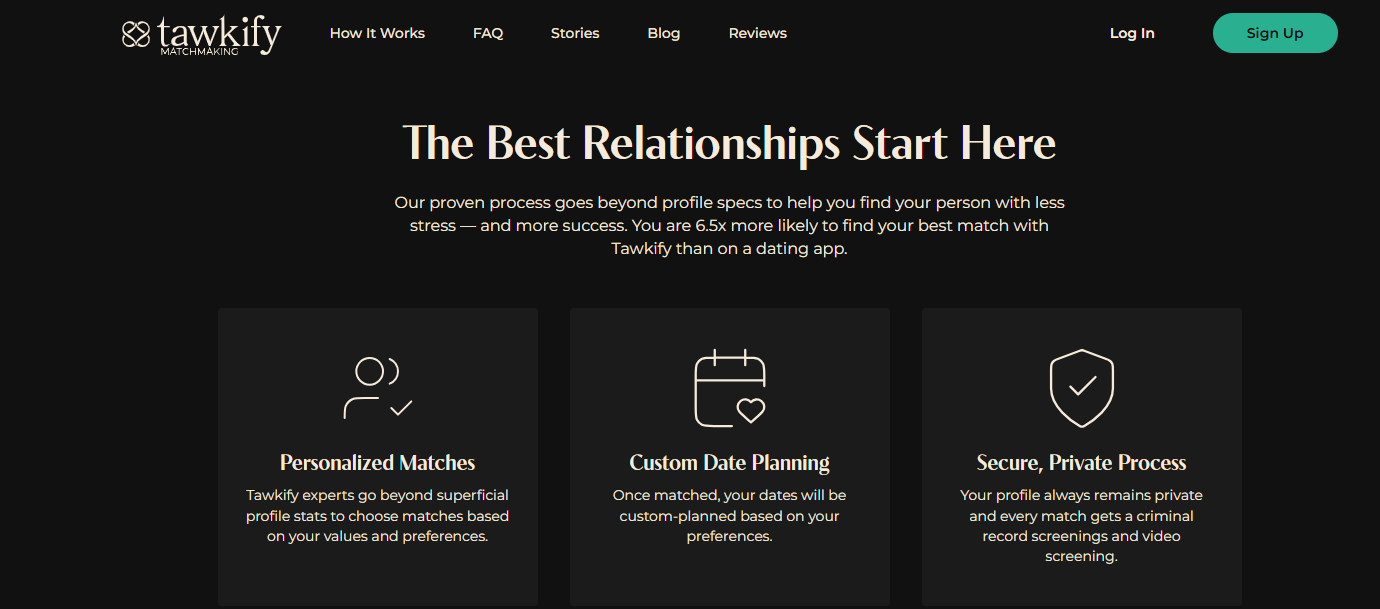
The screening policies are different enough that I would bring them up early. Three Day Rule says it personally vets potential matches, but its terms do not promise criminal-record screening for every proposed match. Screening may be done in certain situations at the company’s discretion. Tawkify says every proposed match receives both a criminal-record screening and a live video screening.
I’d feel better recommending a process where that step happens every time. A background check cannot tell my friend that someone is kind, honest, emotionally available, or going to be good in a relationship, so I would never treat it like permission to drop normal first-date precautions. I just like knowing exactly what has been checked when someone is paying for professional vetting.
Then the photo question pulls me back toward Three Day Rule. Three Day Rule shows clients photos of proposed matches before dates. Tawkify intentionally does not exchange photos beforehand, although physical preferences are part of the matching process.
I understand the argument for Tawkify’s approach. Dating apps make it very easy to stare at someone’s photos, zoom in on details, decide you don’t like one thing, and eliminate a person you might have liked perfectly well across a table.
There is probably something healthy about interrupting that. At the same time, I don’t think wanting to see a photo is automatically shallow or overly picky. Attraction matters. There is also basic comfort in knowing who you’re meeting and who you’re looking for when you walk in somewhere.
If I already knew blind dates made me anxious, I wouldn’t try to talk myself into loving that part of Tawkify just because I preferred other parts of the service. Three Day Rule would get a real point in its favor there.
That’s one of the comparisons I like because there isn’t a clean winner. One service gives me more standardized screening before the date. The other gives me more information about who I’m actually meeting. I can see different people caring more about either one.
What Are You Really Paying To Avoid?

I think this is probably the easiest way I’d help a friend narrow things down.
If she hates swiping and sorting through people, I’d put the most weight on search reach and recruiting.
If she hates wondering whether the person she is meeting is even remotely who they claim to be, screening moves way up the list.
If she hasn’t dated in years and hates the thought of choosing photos, figuring out what to wear, or trying to understand dating now, Three Day Rule’s extra support starts looking much more useful.
If she likes choosing her own people but hates planning first dates, date planning may matter more than it would to me.
And if she mostly wants somebody to get a decent person onto the other side of a dinner table without spending hours on an app first, I’d probably keep the comparison simpler.
That’s why I don’t think “more services” tells you much by itself. The valuable service is the one taking over the part you’re already sick of doing.
I’d Keep The Rest Of The List Short

I would not send a friend off to interview every matchmaker in the country just because they exist. A few other options are different enough to be worth understanding.
It’s Just Lunch is the simpler comparison. Matchmakers hand-select introductions, coordinate restaurant dates, and collect feedback afterward. Pricing is not publicly laid out as a simple package amount, and the company says it does not conduct background checks.
My friend used It’s Just Lunch during one stretch because having somebody else arrange introductions fit the life she had at the time, even though the people she met never really turned into anything. If a friend liked Three Day Rule mainly because she wanted human matchmaking and did not care much about photography, styling, or coaching, I’d at least price IJL before deciding.
Selective Search only belongs in the conversation if the budget changes dramatically. Its retained searches typically run from $50,000 to $500,000, with active recruiting and a much more customized search. Clients and matches are personally screened and interviewed, and the company says its reputation analysis may include background checks, social-media analysis, and identity verification.
At that point, you’re paying for a much more bespoke search rather than deciding whether a few thousand dollars’ worth of matchmaking support is worth it.
A local matchmaker could be more interesting than any national name if my friend had deep roots in one place and no interest in relocating. I would care less about how long the matchmaker has been in business than how many people they are actively working with now and whether they recruit when the local pool gets thin.
I would not automatically tell her to delete the apps either. They are cheaper and give her control over who she talks to, but she keeps all of the work that comes before the date.
If she likes choosing her own people and doesn’t mind doing the searching, paying thousands for recruiting, coaching, photos, screening, or date planning may not make much sense. If she wants someone taking most of that off her plate, it could.
What I’d Clarify Before Paying For Three Day Rule

Before signing anything, I’d want the exact package in writing and a clear picture of what the search looks like in my area. Three Day Rule’s services vary by membership, so I’d want to know which of the things I’m comparing, especially recruiting, screening, coaching, photography, hold time, and date planning, are actually included in the package I’m being quoted.
Where I’d Send Her First
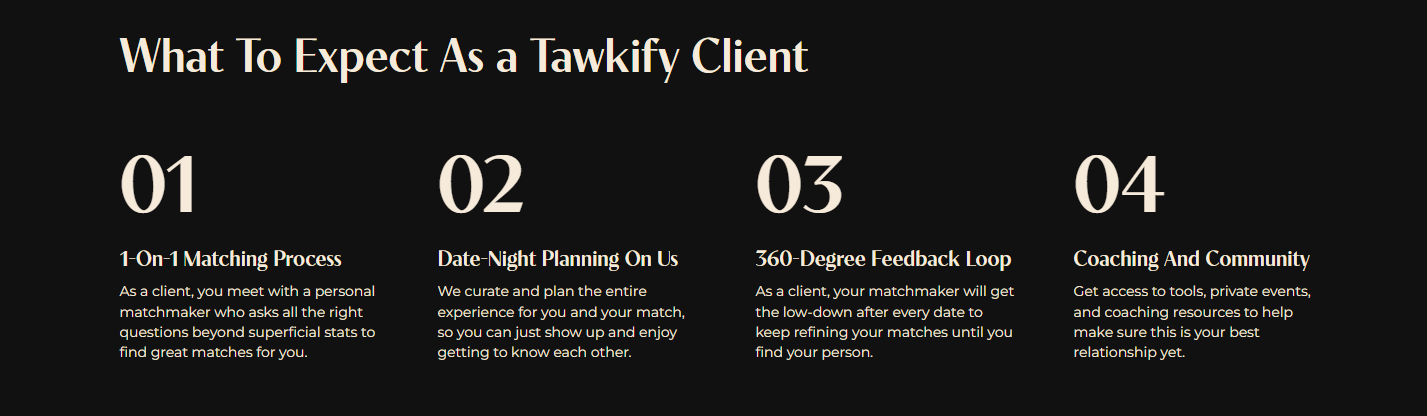
If that friend wanted my answer before she started booking consultations, I’d send her to Tawkify first.
Three Day Rule would stay on the list. I prefer that it shows you the person before the date, and I think the coaching, photography, styling, and broader support can be genuinely useful for somebody who wants that layer of help.
For the friend I have in mind, though, I’d put more weight on the search itself and on having criminal-record and live video screening built into every proposed match. I’d rather see more of her matchmaking budget going toward those things.
For somebody else, especially someone coming back to dating after years away and wanting help with the entire process, I could absolutely see Three Day Rule being the better fit.
That’s why I wouldn’t reduce this to which company has the longest feature list. I’d figure out which part of dating I most want someone else to take over, and compare the services from there.